Introduction
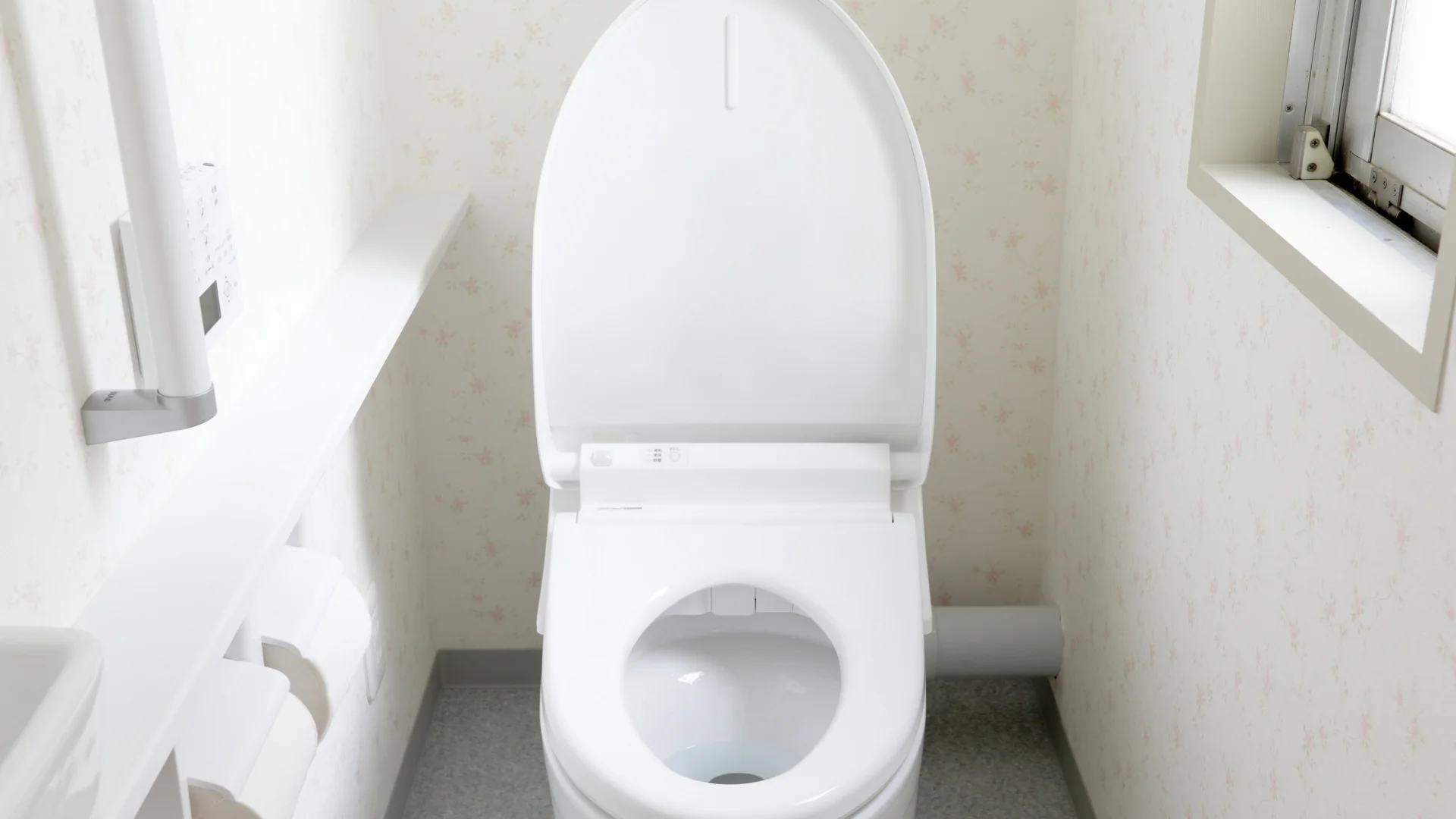
Toilets are designed to handle far less than many homeowners realize. While they seem powerful, flushing the wrong items can quickly lead to clogged drains, sewer backups, and expensive plumbing repairs.
At Fayetteville Plumbing Services, one of the most common causes of sewer line problems we see is improper flushing. Many items labeled as disposable or flushable simply do not break down the way toilet paper does. Understanding what should never be flushed helps protect your plumbing system and avoid emergencies.
The Only Things Safe to Flush
Before covering what should not be flushed, it is important to be clear about what is safe:
- Human waste
- Toilet paper
That is it. Anything else increases the risk of blockages and sewer damage.
“Flushable” Wipes Are Not Flushable
One of the biggest offenders is flushable wipes. Despite the label, these wipes do not break down quickly or completely in water.
Problems caused by wipes include:
- Sewer line blockages
- Buildup inside pipes
- Pump damage in sewer systems
- Combined clogs with grease and debris
Even wipes marketed for babies, personal hygiene, or cleaning should always be thrown in the trash.
Paper Towels and Tissues
Paper towels and facial tissues are designed to be strong and absorbent. That strength works against your plumbing system.
Unlike toilet paper, paper towels and tissues do not dissolve easily. They can:
- Expand inside pipes
- Catch on rough pipe surfaces
- Combine with grease or waste to form blockages
Always dispose of these items in the trash, not the toilet.
Feminine Hygiene Products
Feminine products such as tampons, pads, and applicators are a major cause of sewer backups. These items are designed to absorb liquid and expand, which makes them extremely dangerous for plumbing systems.
Flushing these products can lead to:
- Severe clogs
- Pipe damage
- Overflowing toilets
- Sewage backups into tubs or showers
Even products labeled biodegradable should never be flushed.
Grease, Oils, and Food Waste
While grease is more commonly poured down sinks, it also ends up flushed in toilets. Grease and oils harden as they cool, coating the inside of pipes.
Over time, grease buildup:
- Narrows pipe diameter
- Traps other debris
- Creates stubborn blockages
- Leads to sewer line failure
Grease should always be poured into a container and disposed of in the trash.
Dental Floss, Hair, and Cotton Products
Dental floss, cotton balls, cotton swabs, and hair are all problematic because they do not dissolve in water.
These items act like nets inside pipes, catching other debris and forming clogs. Cotton products expand when wet, making the blockage even worse.
These materials should always be thrown away, never flushed.
Medications and Chemicals
Flushing medications or household chemicals is harmful to both plumbing systems and the environment.
Problems caused by flushing medications include:
- Contamination of water supplies
- Damage to sewer treatment processes
- Health risks to wildlife
Unused medications should be taken to a pharmacy disposal program or local hazardous waste facility.
Cat Litter and Pet Waste Products
Even cat litter labeled as flushable should never go down the toilet. Cat litter absorbs moisture and expands rapidly, creating severe blockages.
Pet waste products such as litter pellets or bedding can clog pipes and introduce bacteria into sewer systems not designed to handle it.
Condoms and Personal Items
Condoms, bandages, and personal care items are flexible and durable. They do not break down and easily snag inside pipes, especially in older sewer lines.
These items are a frequent cause of emergency service calls for backed-up toilets and main sewer line clogs.
Why Flushing the Wrong Items Is So Costly
Improper flushing does more than clog a toilet. It can cause:
- Main sewer line blockages
- Sewage backups into the home
- Damage to municipal sewer systems
- Costly repairs and cleanup
A single blockage can lead to hundreds or thousands of dollars in plumbing and restoration costs.
Signs You May Have a Sewer Line Problem
If flushing habits have caused a blockage, you may notice:
- Toilets that flush slowly or bubble
- Gurgling sounds from drains
- Water backing up into tubs or showers
- Sewage odors in the home
- Multiple drains clogging at once
These are signs that your main sewer line may be affected and needs professional attention.
How Fayetteville Plumbing Services Can Help
At Fayetteville Plumbing Services, we specialize in diagnosing and fixing sewer and drain problems caused by improper flushing. Our services include:
- Camera inspections to locate blockages
- Professional drain cleaning
- Hydro jetting to clear buildup
- Sewer line repair and replacement
- Preventive maintenance services
We do not just clear the clog. We identify the cause and help prevent it from happening again.
How to Prevent Toilet and Sewer Clogs
Protect your plumbing system with these simple habits:
- Only flush toilet paper and human waste
- Place a small trash can in bathrooms
- Educate family members and guests
- Avoid flushable products entirely
- Schedule routine drain inspections
Prevention is the easiest and most affordable way to avoid sewer problems.
Conclusion
Toilets are not trash cans. Flushing the wrong items can quickly lead to clogged drains, sewer backups, and expensive repairs. Wipes, paper towels, feminine products, grease, and personal items should never be flushed, no matter what the label claims.
If you are dealing with frequent clogs or suspect a sewer line issue, contact Fayetteville Plumbing Services. Our experienced plumbers will diagnose the problem, clear the blockage, and help keep your plumbing system running smoothly.