Introduction
A burst pipe is one of the most damaging plumbing emergencies a homeowner can experience. It can flood walls, ceilings, floors, and personal belongings within minutes. Many homeowners assume burst pipes happen without warning, but in reality, there are clear causes and preventive steps that can dramatically reduce the risk.
At Fayetteville Plumbing Services, we repair burst pipes every winter and during seasonal temperature swings. Understanding why pipes burst and how to protect them can save you thousands in repairs and restoration costs.
Freezing Temperatures Are the Leading Cause
The most common reason pipes burst is freezing weather. When water freezes, it expands. That expansion increases pressure inside the pipe, often beyond what the pipe material can handle.
Pipes most vulnerable to freezing include those located in:
- Exterior walls
- Crawl spaces
- Attics
- Garages
- Basements with poor insulation
The pipe does not always burst where the ice forms. Pressure can build and cause the pipe to split further down the line.
Corrosion and Aging Pipes
Older plumbing systems are more likely to fail. Over time, metal pipes such as galvanized steel and cast iron corrode from the inside out. This weakens the pipe walls and makes them prone to cracking or bursting under normal water pressure.
Warning signs of corrosion include:
- Rust-colored water
- Flaking or pitting on visible pipes
- Frequent leaks or pinhole leaks
- Reduced water pressure
If your home is several decades old, a plumbing inspection can determine whether pipe replacement is necessary.
High Water Pressure
Water pressure that is too high places constant stress on your plumbing system. While it may feel nice at the faucet, excessive pressure can weaken joints, fittings, and pipes over time.
Most homes should maintain water pressure between 40 and 60 PSI. Pressure consistently above that range increases the risk of pipe failure.
A plumber can test your water pressure and install or replace a pressure-reducing valve if needed.
Clogs and Blockages
Severe clogs create pressure buildup inside pipes. When water cannot flow freely, pressure increases behind the blockage. Over time, this pressure can cause the pipe to crack or burst, especially in older systems.
Common causes of blockages include:
- Grease buildup
- Tree roots
- Foreign objects flushed down toilets
- Mineral deposits
Routine drain cleaning helps prevent these issues and protects your pipes.
Poor Installation or Previous Repairs
Improperly installed pipes or low-quality repairs can create weak points in your plumbing system. Poor solder joints, incorrect pipe sizing, or unsupported lines are more likely to fail under pressure or temperature changes.
If your home has a history of plumbing problems, a professional inspection can identify vulnerabilities before they turn into emergencies.
How to Prevent Pipes from Bursting
Preventive maintenance is the most effective way to avoid burst pipes. Here are proven steps homeowners should take:
Insulate Exposed Pipes
Use foam pipe insulation on pipes in unheated areas. This is one of the simplest and most affordable prevention methods.
Keep Your Home Heated
Even when away, keep your thermostat set to at least 55°F during cold weather.
Allow Faucets to Drip in Freezing Weather
Letting faucets drip slightly keeps water moving and reduces freezing risk.
Seal Drafts and Air Leaks
Close gaps around doors, windows, and foundation openings that allow cold air to reach pipes.
Disconnect Outdoor Hoses
Hoses left attached trap water inside exterior pipes, increasing freezing risk.
Schedule Routine Plumbing Inspections
Annual inspections help identify corrosion, pressure issues, and aging pipes before failure occurs.
What to Do If a Pipe Bursts
If a pipe bursts in your home:
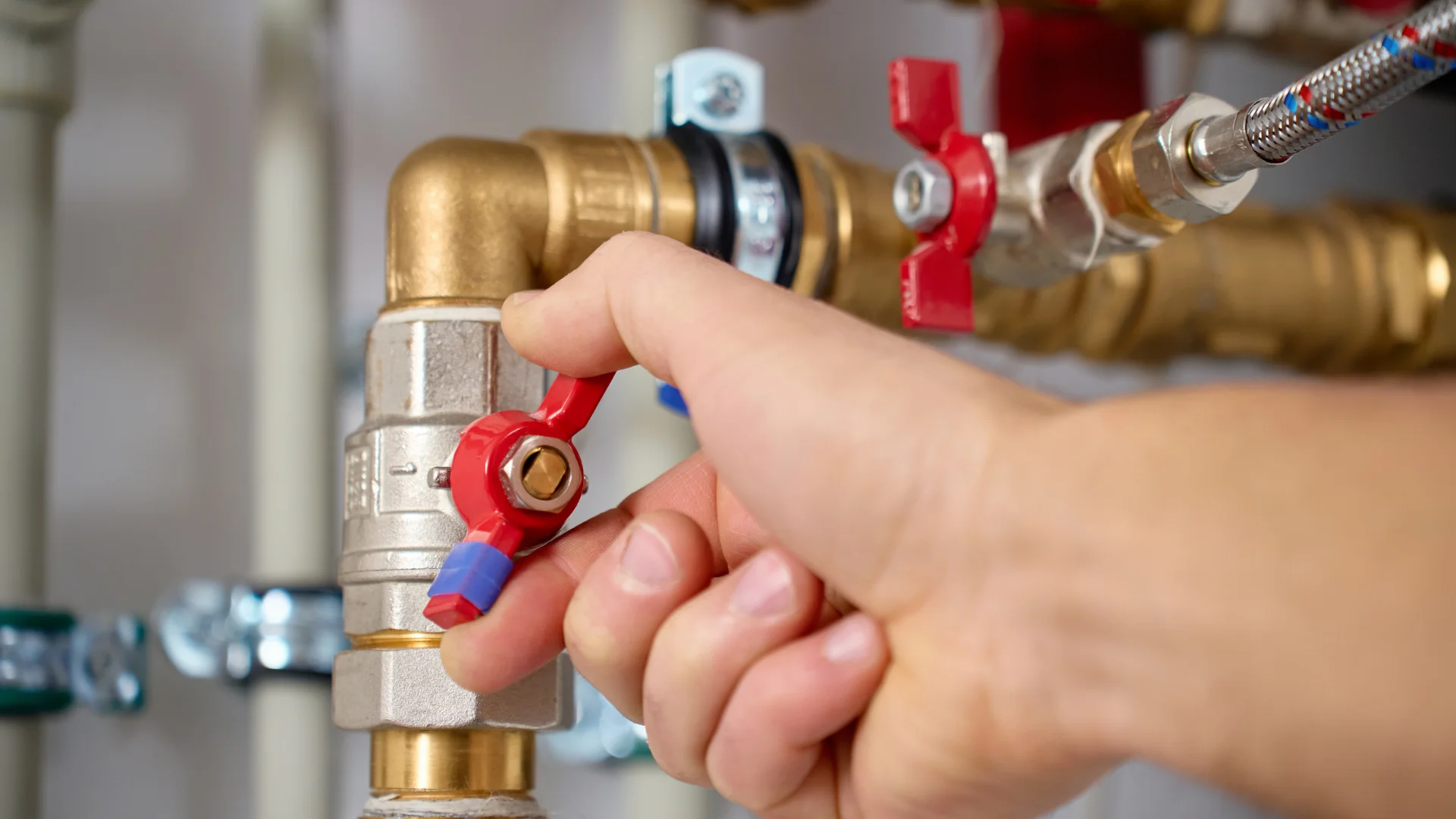
- Shut off the main water supply immediately.
- Turn off electricity in affected areas if water is near outlets.
- Open faucets to drain remaining water from the system.
- Call a professional plumber for emergency repairs.
Fast action minimizes water damage and reduces repair costs.
How Fayetteville Plumbing Services Helps Prevent Burst Pipes
At Fayetteville Plumbing Services, we help homeowners protect their plumbing systems through:
- Pipe insulation and winterization services
- Water pressure testing and regulation
- Leak detection and pipe repair
- Repiping recommendations for aging systems
- Emergency burst pipe repair
Our experienced plumbers provide honest evaluations and long-term solutions tailored to your home.
Conclusion
Pipes burst due to freezing temperatures, corrosion, high pressure, and blockages. The good news is that most of these causes are preventable with proper maintenance and preparation.
If you want to protect your home from burst pipes or need help repairing damaged plumbing, contact Fayetteville Plumbing Services. Our team is here to keep your plumbing safe, reliable, and ready for every season.