Introduction
Few things are more frustrating than stepping into the shower and being met with weak, disappointing water pressure. What should be a relaxing part of your day quickly turns into an annoyance. Low shower pressure is one of the most common plumbing complaints, and in many cases, it is a sign of an underlying issue that should not be ignored.
Water pressure problems rarely fix themselves. They often point to buildup, worn components, hidden leaks, or aging pipes. At Fayetteville Plumbing Services, we frequently help homeowners diagnose and resolve pressure issues before they turn into more serious plumbing problems. Understanding the causes of low shower pressure can help you determine whether it is a simple fix or something that requires the help of a plumber Fayetteville AR residents rely on.
Mineral Buildup in the Showerhead
Mineral buildup is one of the most common and easiest-to-fix causes of low shower pressure. Homes with hard water naturally collect calcium and magnesium deposits over time. These minerals attach to the small openings in the showerhead and gradually restrict the flow of water.
In the early stages, you may notice an uneven spray pattern. Some holes may spray strongly while others barely release water at all. As buildup increases, overall pressure drops, and the shower may feel weak even when other fixtures seem normal.
Many homeowners assume the problem is deeper in the plumbing system when, in reality, the restriction is right at the showerhead. This is especially common in homes that have never cleaned or replaced the showerhead since installation.
Solution:
Remove the showerhead and soak it in white vinegar for several hours. The vinegar dissolves mineral deposits and restores normal flow in many cases. If the showerhead is heavily clogged or very old, replacing it may be the better long-term solution.
Partially Closed Water Valves
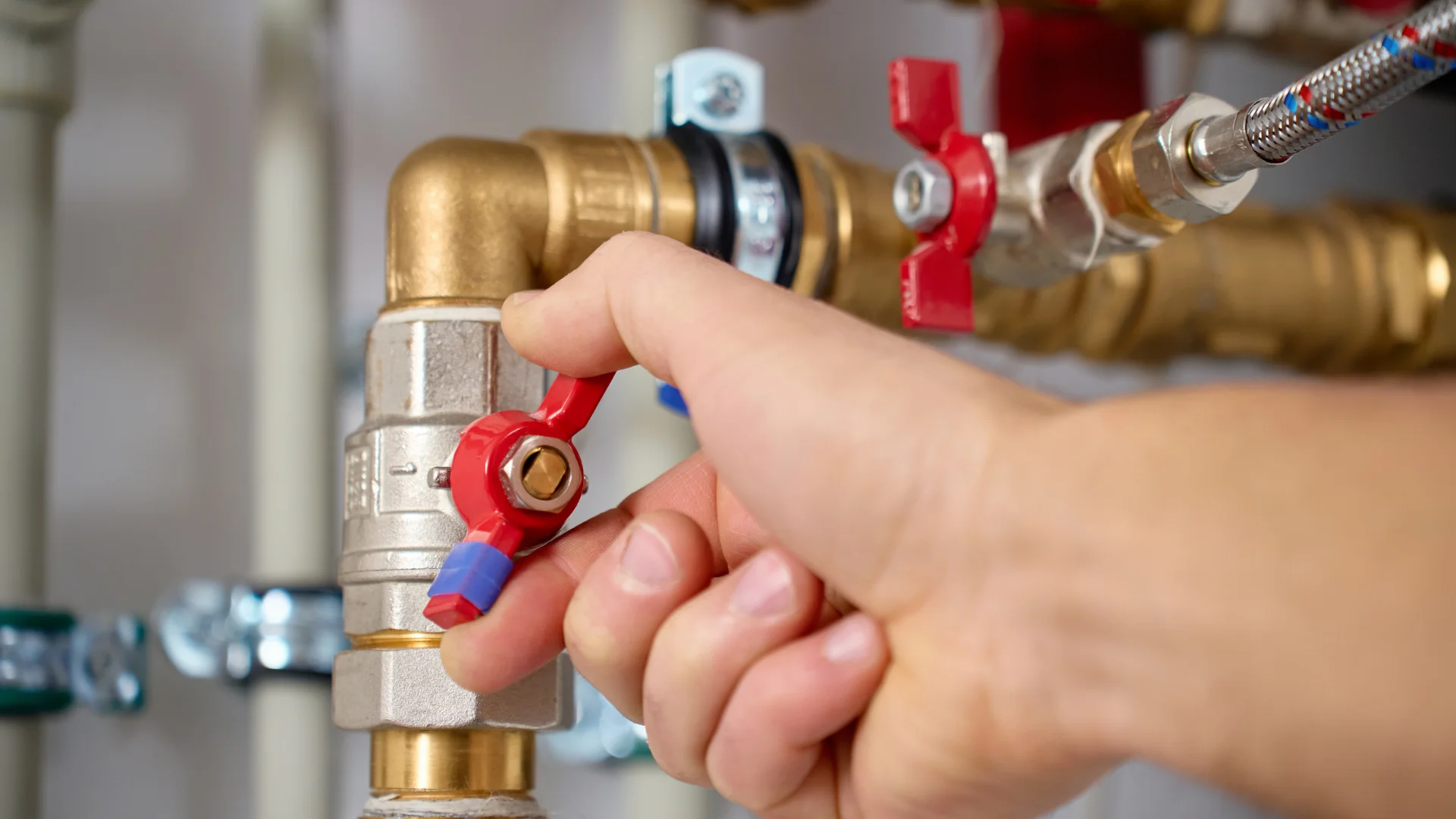
Another common cause of low pressure is a valve that is not fully open. This often happens after plumbing work, water heater installation, or repairs that required the water to be shut off. If a valve is left slightly closed, it restricts the amount of water entering your plumbing system.
Because water pressure is directly tied to flow volume, even a small restriction at the main valve can reduce pressure throughout the house. Homeowners may notice weak showers, slow-filling sinks, or appliances that take longer to operate.
This issue is especially common in homes where recent plumbing work was completed or where the main shutoff valve has not been adjusted in years. Valves can also become stiff or partially blocked by mineral buildup.
What to check:
- Main water shutoff valve near where the line enters the home
- Water meter valve outside
- Water heater supply valves
- Individual fixture shutoff valves
If the valves appear fully open and pressure is still low, the issue may require testing by a plumber Fayetteville AR homeowners trust.
Pressure Regulator Problems
Many homes are equipped with a pressure-reducing valve, also known as a pressure regulator. This device ensures that the water entering your home is at a safe and consistent pressure level.
Over time, these regulators can wear out or fail. When this happens, pressure may drop suddenly or fluctuate without warning. You might notice that your shower pressure changes throughout the day or becomes consistently weak.
Pressure regulators typically last between 10 and 15 years. In older homes, the regulator may be nearing the end of its service life without the homeowner realizing it. Because these components control the entire plumbing system, failure can affect every fixture in the home.
A professional plumber Fayetteville AR residents rely on can test the incoming pressure and determine whether the regulator is functioning properly. Replacing a failing regulator often restores pressure immediately.
Hidden Plumbing Leaks
Leaks are a major cause of pressure loss. When water escapes from the plumbing system before reaching your fixtures, less pressure is available at the showerhead. Even small leaks behind walls or under floors can reduce pressure noticeably.
Unlike visible leaks, hidden leaks often go unnoticed for weeks or months. During that time, they can waste large amounts of water and cause structural damage.
Common signs of a hidden leak include:
- Sudden drop in water pressure
- Higher water bills
- Damp spots on walls or ceilings
- Sounds of running water when no fixtures are in use
Professional leak detection equipment allows plumbers to locate leaks without tearing into walls or flooring unnecessarily.
Clogged or Corroded Pipes
In older homes, pipe corrosion is a common cause of low water pressure. Galvanized steel pipes, in particular, corrode internally over time. As rust builds up inside the pipe, the diameter narrows, reducing the amount of water that can pass through.
This process happens slowly, so many homeowners do not notice the pressure loss until it becomes severe. At that point, multiple fixtures may have weak flow, and water may appear discolored.
Corroded pipes not only reduce pressure but also increase the risk of leaks and bursts. If corrosion is widespread, repiping sections of the home may be the most reliable long-term solution.
Water Heater Issues
If the low pressure only occurs when using hot water, the issue is likely related to the water heater. Over time, sediment builds up at the bottom of the tank. This buildup restricts water flow and reduces heating efficiency.
As sediment accumulates, it can also clog valves and supply lines connected to the heater. The result is weaker hot water pressure, even if cold water pressure remains normal.
Flushing the water heater removes sediment and often restores proper flow. In older units, replacing worn valves or internal components may be necessary.
Faulty Shower Valves or Cartridges
Inside your shower handle is a valve or cartridge that controls water flow and temperature. These parts experience constant wear and exposure to mineral deposits. Over time, they can become clogged or damaged.
When this happens, the shower may produce weak pressure even though other fixtures in the home work normally. You may also notice difficulty adjusting the temperature or dripping after the shower is turned off.
Replacing the cartridge is a common repair that restores proper pressure and performance. This is a routine job for a plumber Fayetteville AR homeowners can depend on for reliable service.
City Water Supply Issues
In some cases, the problem is not inside your home at all. Municipal water supply issues can cause temporary pressure drops across an entire neighborhood.
These issues may be caused by:
- Water main repairs
- Hydrant flushing
- Construction activity
- High demand during peak hours
If neighbors are experiencing the same issue, the cause is likely related to the city’s water system.
How Plumbers Diagnose Low Shower Pressure
At Fayetteville Plumbing Services, we follow a step-by-step process to identify the cause of pressure problems. This includes:
- Testing water pressure at multiple fixtures
- Inspecting valves and regulators
- Checking for hidden leaks
- Evaluating water heater performance
- Examining pipe condition
This thorough approach ensures the correct issue is addressed rather than relying on guesswork.
When to Call a Professional
- You should contact a plumber if:
- Multiple fixtures have low pressure
- Pressure dropped suddenly
- Cleaning the showerhead did not help
- You suspect a hidden leak
- Your home has older plumbing
Professional diagnosis saves time and prevents unnecessary repairs.
Conclusion
Low shower pressure can result from mineral buildup, valve issues, leaks, corroded pipes, or failing pressure regulators. Some problems are simple to fix, while others require professional tools and experience.
If your shower pressure is not what it used to be, contact Fayetteville Plumbing Services. Our experienced team will identify the cause and restore strong, consistent water flow with reliable, long-lasting repairs from a plumber Fayetteville AR homeowners trust.