Introduction
Few plumbing issues are more frustrating than turning on your faucet or shower and getting a weak trickle instead of steady water flow. When your home’s water pressure drops suddenly, it’s often a sign that something has gone wrong—either inside your plumbing system or with the municipal water supply.
At Fayetteville Plumbing Services, we’ve helped countless homeowners across Northwest Arkansas troubleshoot and repair low water pressure problems. Understanding what causes this issue is the first step toward getting your water flow back to normal.
Check if It’s an Isolated or Whole-House Problem
The first thing to determine is where the low pressure is happening.
- Single fixture: If only one faucet or shower has low pressure, the problem is likely local—such as a clogged aerator or internal valve.
- Multiple fixtures: If several areas are affected, the issue may involve your main water line, pressure regulator, or water supply itself.
To test, turn on faucets in different rooms and compare the flow. This simple step helps narrow down the cause.
Common Causes of Sudden Water Pressure Drops
There are several possible reasons your home’s water pressure suddenly decreases. Some are simple fixes, while others require professional plumbing service.
2.1 Hidden Leaks in Your Plumbing System
A leak in your pipes can reduce water flow throughout the home. Even a small crack allows water to escape before reaching your fixtures, leading to both pressure loss and higher water bills.
Warning signs include:
- Wet spots on walls, ceilings, or floors
- Unexplained puddles or damp soil outside
- Hissing or dripping sounds in walls
- A sudden spike in your water bill
If you suspect a leak, shut off all water in your home and check your water meter. If it’s still moving, water is escaping somewhere. Call Fayetteville Plumbing Services for professional leak detection before the damage worsens.
2.2 Clogged or Corroded Pipes
Over time, minerals and sediment from hard water build up inside pipes, especially in older galvanized systems. This buildup narrows the pipe’s interior, restricting flow and reducing pressure.
Corrosion can also weaken pipes, leading to leaks or bursts. If your home is older than 30 years and still has galvanized steel pipes, it may be time to consider repiping with copper or PEX for better flow and reliability.
2.3 Faulty Pressure Regulator
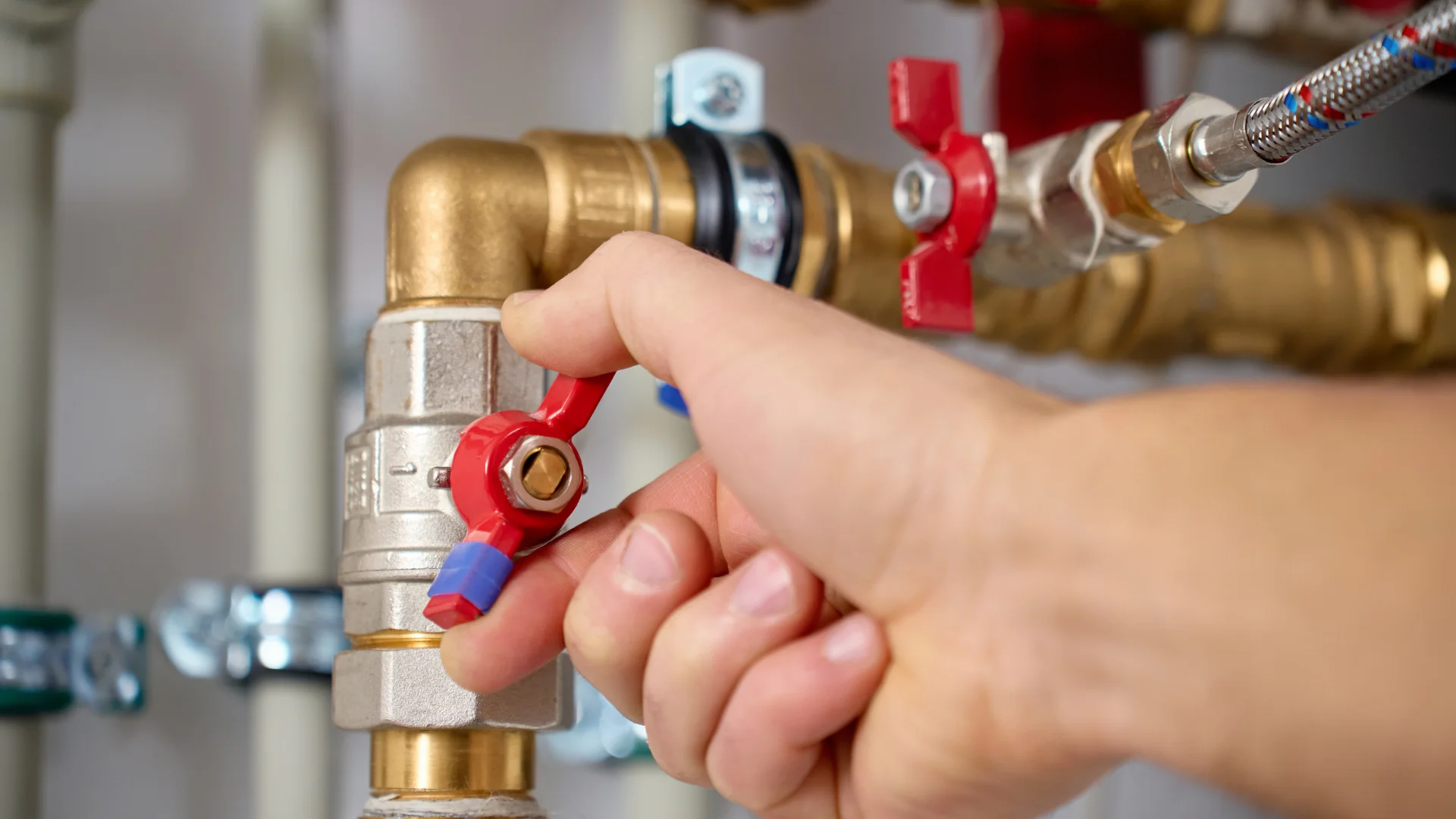
Most modern homes have a pressure regulator, a valve that keeps water pressure consistent throughout the system. When this valve fails, it can cause either excessively high or unusually low pressure.
If you notice a sudden, significant drop across all fixtures, your regulator could be malfunctioning. A plumber can test the pressure with a gauge and replace the regulator if necessary.
2.4 Clogged Aerators or Showerheads
If low pressure occurs in just one fixture, mineral buildup may be clogging the aerator (the small screen at the faucet’s tip) or the showerhead holes.
Try removing and soaking them in vinegar overnight to dissolve calcium deposits. This simple DIY step often restores normal flow quickly.
2.5 Municipal Water Supply Issues
Sometimes, the issue is outside your home. City maintenance work, water main breaks, or temporary line flushing can reduce household water pressure.
To check, ask your neighbors if they’re experiencing the same problem. If so, contact your local water utility for updates. These issues usually resolve once maintenance is complete.
2.6 Water Softener or Filtration Problems
If your home has a water softener or filtration system, clogs or malfunctions inside the unit can reduce water flow. A clogged filter or resin tank restricts water from passing freely through your plumbing.
Inspect your system for warning lights or error codes, or call a professional plumber for maintenance.
Seasonal Causes: Cold Weather and Frozen Pipes
During cold Fayetteville winters, sudden drops in temperature can cause outdoor or exposed pipes to freeze. Ice restricts water flow, leading to low or zero pressure.
If you suspect frozen pipes:
- Turn off the main water supply immediately.
- Open nearby faucets to relieve pressure.
- Use a safe heat source (like a hair dryer) to thaw exposed sections slowly.
Never use open flames or space heaters on pipes—this can cause fire hazards or bursts.
How to Diagnose Water Pressure Issues
To pinpoint the cause of low pressure, professional plumbers use diagnostic tools and techniques, including:
- Pressure testing: Measures exact water pressure at different points.
- Pipe inspection cameras: Identify blockages or internal corrosion.
- Leak detection equipment: Finds underground or hidden leaks.
- Valve and regulator testing: Ensures proper flow and control.
At Fayetteville Plumbing Services, our licensed technicians can locate the problem quickly and provide honest repair recommendations to restore your system.
How to Prevent Sudden Drops in Water Pressure
Preventive maintenance helps avoid most water pressure issues before they start. Follow these steps to keep your plumbing system healthy:
- Flush your water heater annually to remove sediment buildup.
- Inspect visible pipes and fittings for leaks or corrosion.
- Replace worn-out washers, valves, and aerators regularly.
- Schedule professional plumbing inspections once a year.
- Install a whole-home water filtration system to prevent mineral buildup.
Routine care saves you money and ensures strong, consistent water flow year-round.
When to Call a Professional Plumber
If your water pressure doesn’t return to normal after basic troubleshooting—or if the issue affects multiple fixtures—it’s time to call a licensed professional.
At Fayetteville Plumbing Services, we specialize in diagnosing complex water pressure issues. Our team:
- Locates leaks using advanced detection tools
- Tests and replaces pressure regulators
- Cleans and clears blocked pipes
- Repairs or replaces damaged fixtures
- Checks for underground or municipal line issues
We’re committed to restoring reliable, balanced water pressure quickly and efficiently.
Conclusion
A sudden drop in water pressure can be caused by anything from a clogged aerator to a leaking pipe or failed pressure regulator. While some causes are simple DIY fixes, others require professional expertise to diagnose and repair.
If your home’s water pressure drops unexpectedly, contact Fayetteville Plumbing Services. Our experienced plumbers will identify the cause, fix the issue, and ensure your system delivers strong, steady water flow all year long.