Introduction
Low water pressure is one of the most frustrating plumbing issues homeowners experience. Showers feel weak, sinks take longer to fill, and appliances may not operate correctly. When low pressure affects the entire house, the problem usually originates somewhere in the main plumbing system rather than a single fixture.
Water pressure problems often develop slowly over time. Mineral buildup, small leaks, or failing components can gradually reduce pressure until it becomes noticeable. Identifying the cause early can prevent more serious plumbing problems.
A professional plumber Fayetteville AR can inspect your system, test pressure levels, and determine the exact cause of the issue. Understanding the most common causes helps homeowners know what to look for.
Hidden Leaks in the Plumbing System
A hidden leak is one of the most common causes of low water pressure. When water escapes from a damaged pipe, less pressure reaches your fixtures. Even a small leak can reduce pressure throughout the home.
Leaks may occur behind walls, under floors, or beneath the foundation. Because these leaks are not visible, the only noticeable sign may be a drop in pressure or an increase in the water bill.
If you suspect a hidden leak, it is best to contact a plumber Fayetteville AR for professional leak detection.
Clogged or Corroded Pipes
Over time, minerals, rust, and debris can build up inside pipes. This buildup reduces the internal diameter of the pipe and restricts water flow.
Homes with older galvanized steel or aging copper pipes are especially prone to this problem. As corrosion worsens, water pressure continues to decline.
In severe cases, the only solution may be pipe replacement to restore proper flow.
Failing Pressure Regulator
Many homes have a pressure regulator that controls the incoming water pressure from the municipal supply. This device ensures that water pressure remains at a safe and consistent level.
When a pressure regulator begins to fail, it may cause a sudden drop in pressure throughout the entire house. In some cases, the pressure may fluctuate between too high and too low.
A plumber Fayetteville AR can test the regulator and replace it if necessary.
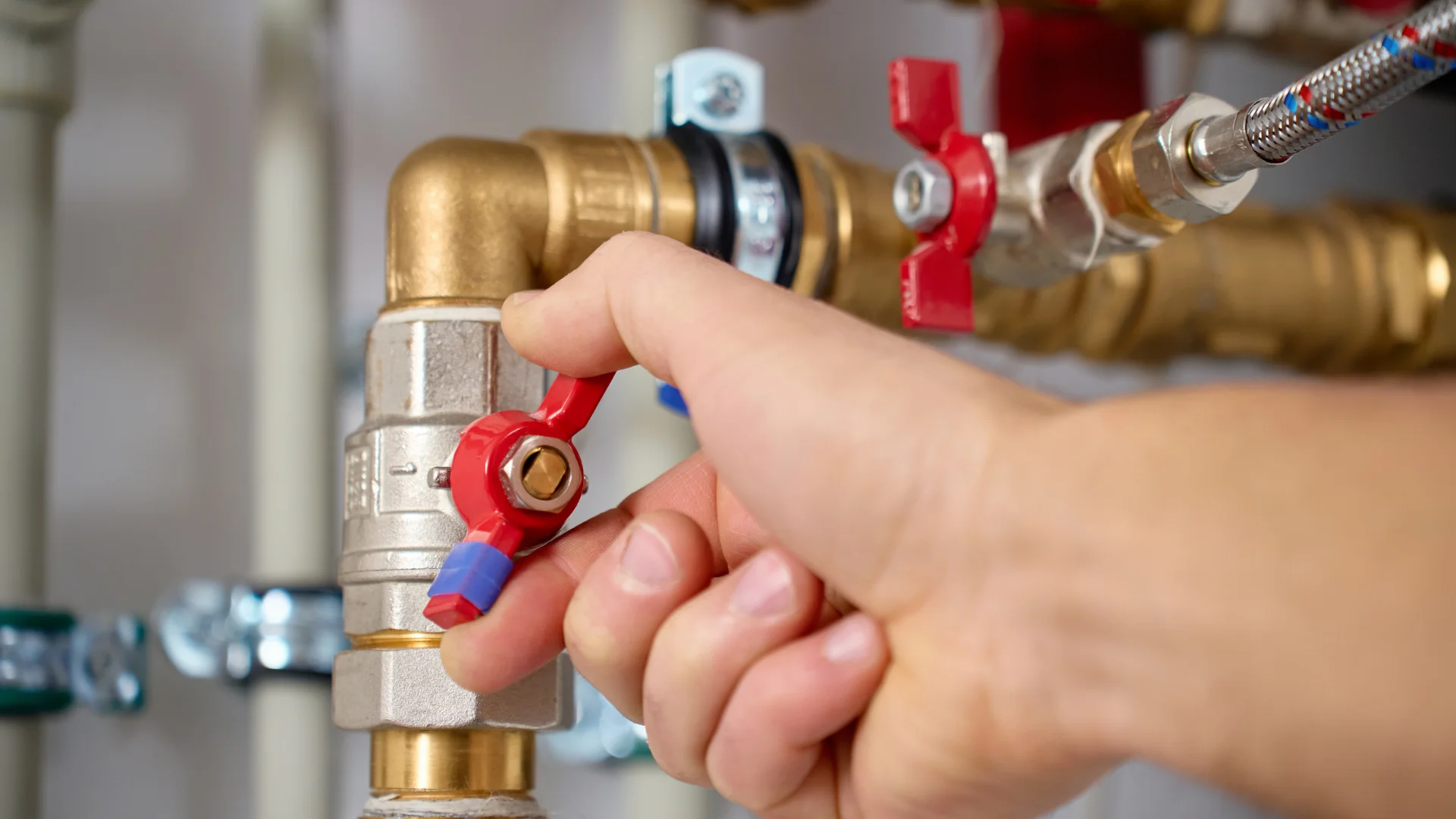
Partially Closed Main Shutoff Valve
If the main shutoff valve is not fully open, it can restrict water flow into the home. This sometimes happens after plumbing repairs or maintenance.
Checking the main shutoff valve is a simple first step when diagnosing low water pressure.
Municipal Supply Problems
Sometimes low water pressure is caused by issues outside the home. Water main repairs, supply interruptions, or high demand in the neighborhood can reduce pressure temporarily.
If your neighbors are experiencing the same issue, the problem may be with the municipal supply rather than your plumbing system.
Water Heater Issues
If low pressure is only noticeable on the hot water side, the water heater may be the source of the problem. Sediment buildup inside the tank can restrict water flow.
Older water heaters or units that have not been flushed regularly are more likely to develop this issue.
When to Call a Professional
If low water pressure persists, a professional inspection is recommended. A licensed plumber can test the pressure, inspect pipes, and identify hidden problems.
Professional diagnosis helps prevent unnecessary repairs and ensures the root cause is properly addressed.
Conclusion
Low water pressure throughout the house usually indicates a deeper plumbing issue. Hidden leaks, clogged pipes, failing pressure regulators, or municipal supply problems are among the most common causes.
Identifying the issue early helps prevent further damage and restores normal water performance. If you are experiencing low pressure, Fayetteville Plumbing Services is ready to help with professional inspection and repair.