Introduction
Low water pressure is one of the most common complaints homeowners have. Weak showers, slow-filling washing machines, and trickling faucets make daily routines frustrating. The big question most homeowners ask is simple: Is this my plumbing problem, or is the city responsible?
At Fayetteville Plumbing Services, we help homeowners determine the real cause of low water pressure and fix it correctly the first time. Understanding where the issue originates helps you avoid unnecessary repairs and get your water flow restored faster.
What Is Normal Water Pressure?
Most homes operate best with water pressure between 40 and 60 PSI. Pressure below this range can feel weak, while pressure above it can damage pipes and fixtures.
When pressure drops suddenly or gradually, it usually points to either:
- A problem with the municipal water supply, or
- An issue somewhere in your home’s plumbing system
Determining which one applies is the key to solving the problem.
Signs the City Water Supply Is the Problem
In some cases, low water pressure is completely outside your control. Municipal water systems occasionally experience temporary disruptions.
Common signs the city is responsible include:
- Neighbors reporting the same issue
- Pressure dropping at specific times of day
- Notices from the city about maintenance or flushing
- Pressure changes after nearby construction or road work
City-related pressure issues are often temporary and resolve once maintenance or repairs are complete.
How to Confirm a City Water Issue
To determine whether the city supply is the cause, try these steps:
- Ask nearby neighbors if they are experiencing low pressure.
- Check your city or water utility website for service alerts.
- Call the local water department to ask about outages or line work.
If multiple homes are affected, the issue is likely municipal. If your home is the only one affected, the cause is almost always within your plumbing system.
Signs the Problem Is Inside Your Home
If low pressure affects only your house, it is almost certainly a plumbing issue. Internal problems often worsen over time if not addressed.
Warning signs include:
- One fixture has low pressure while others are normal
- Hot water pressure is lower than cold
- Pressure drops gradually over weeks or months
- Pressure fluctuates when appliances run
- Unexplained increases in water bills
These symptoms point to plumbing restrictions, leaks, or control valve problems.
Common Plumbing Causes of Low Water Pressure
- Clogged Pipes or Fixtures
Mineral buildup from hard water can narrow pipes and clog aerators or showerheads. This reduces flow and pressure, especially in older homes.
- Hidden Leaks
Leaks divert water before it reaches fixtures. Even small leaks behind walls or underground can reduce pressure throughout the house.
- Faulty Pressure Regulator
Many homes have a pressure-reducing valve that controls incoming pressure. If it fails, pressure can drop suddenly or become inconsistent.
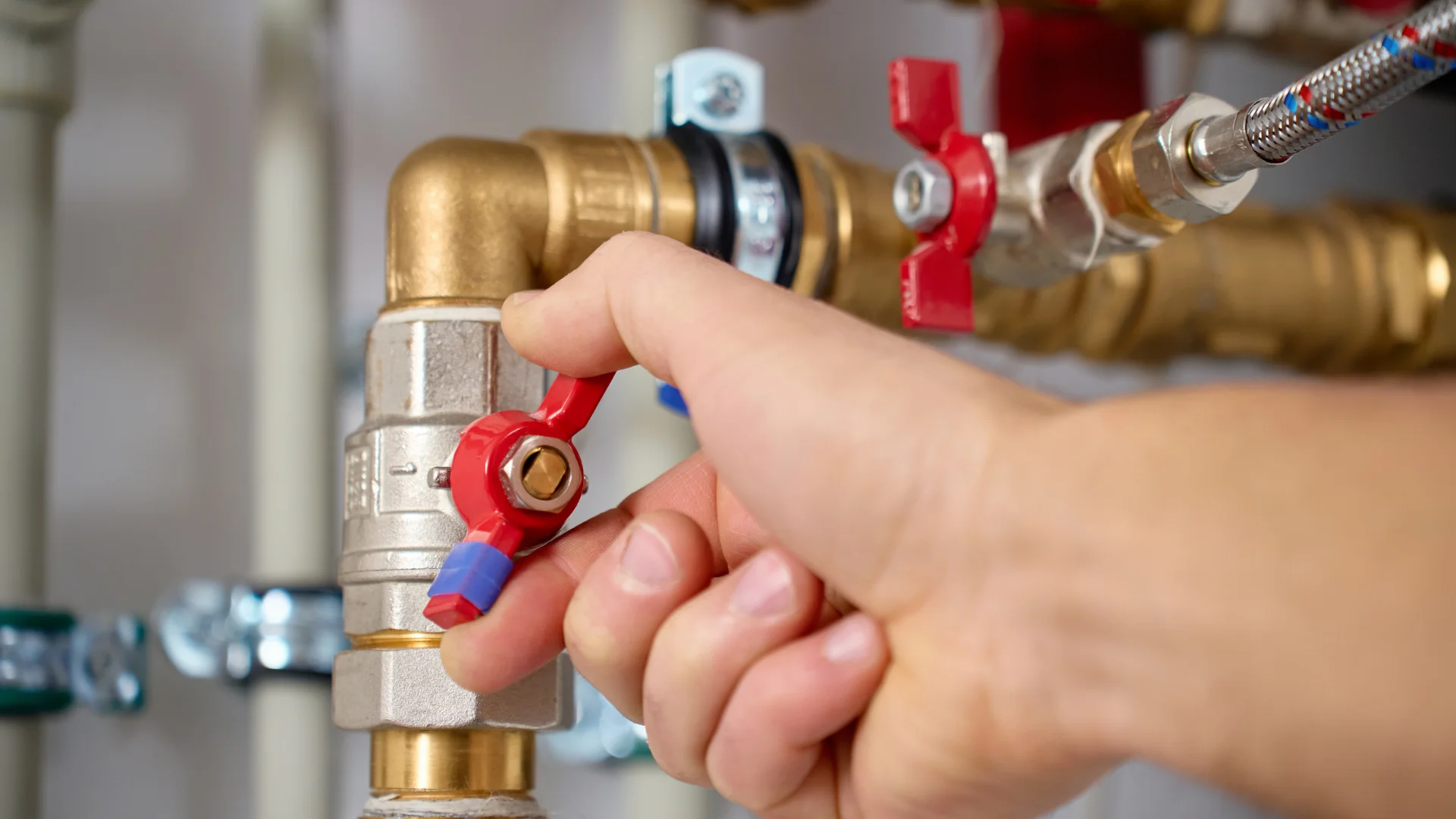
- Partially Closed Valves
Main shutoff valves or meter valves that are not fully open restrict water flow. This often happens after plumbing work or utility service.
- Aging or Corroded Pipes
Older galvanized steel pipes corrode internally, narrowing the pipe diameter and reducing pressure over time.
Hot Water Pressure vs Cold Water Pressure
If only your hot water pressure is low, the problem is almost always internal. Common causes include:
- Sediment buildup in the water heater
- Failing shutoff valves on the heater
- Corroded hot water lines
Flushing the water heater and inspecting the supply lines can often restore proper pressure.
How Plumbers Diagnose Low Water Pressure
At Fayetteville Plumbing Services, we use a systematic approach to find the exact cause of pressure issues:
- Pressure testing at multiple points
- Inspection of shutoff valves and regulators
- Leak detection using specialized equipment
- Camera inspections for pipe buildup or damage
- Evaluation of water heater and fixtures
This approach ensures the solution addresses the root cause, not just the symptoms.
What You Should Not Do
Many homeowners try quick fixes that can make things worse:
- Using chemical drain cleaners
- Adjusting pressure regulators without testing
- Ignoring gradual pressure loss
- Replacing fixtures without diagnosing the system
These steps often waste money and delay proper repairs.
How to Restore Proper Water Pressure
The solution depends on the cause. Repairs may include:
- Cleaning or replacing clogged fixtures
- Repairing hidden leaks
- Replacing pressure regulators
- Repiping sections of corroded plumbing
- Flushing water heaters
Once corrected, water pressure usually returns to normal immediately.
When to Call Fayetteville Plumbing Services
If low pressure persists, affects multiple fixtures, or worsens over time, it is time to call a professional. Early diagnosis prevents pipe damage and costly leaks.
Our experienced plumbers provide honest evaluations and long-term solutions to restore consistent, reliable water pressure throughout your home.
Conclusion
Low water pressure can be caused by either city water supply issues or problems inside your home. Checking with neighbors and the water utility helps rule out municipal causes. If the issue is isolated to your home, a plumbing inspection is the fastest path to a solution.
If you are unsure where the problem lies, contact Fayetteville Plumbing Services. We will identify the cause, explain your options, and restore your water pressure the right way.