Introduction
Plumbing problems rarely start as emergencies. In most cases, leaks, corrosion, and pressure issues develop slowly over time. By the time visible damage appears, the problem has often been present for months or even years.
That is why regular plumbing inspections are one of the smartest investments a homeowner can make. At Fayetteville Plumbing Services, we see firsthand how routine inspections prevent expensive repairs, water damage, and unexpected system failures.
So how often should plumbing be inspected in a home? The answer depends on the age of the house, the type of plumbing system, and any previous issues.
The General Rule for Plumbing Inspections
For most homes, a professional plumbing inspection once per year is recommended.
Annual inspections allow a licensed plumber to:
- Identify small leaks before they spread
- Detect corrosion inside pipes
- Check water pressure and flow
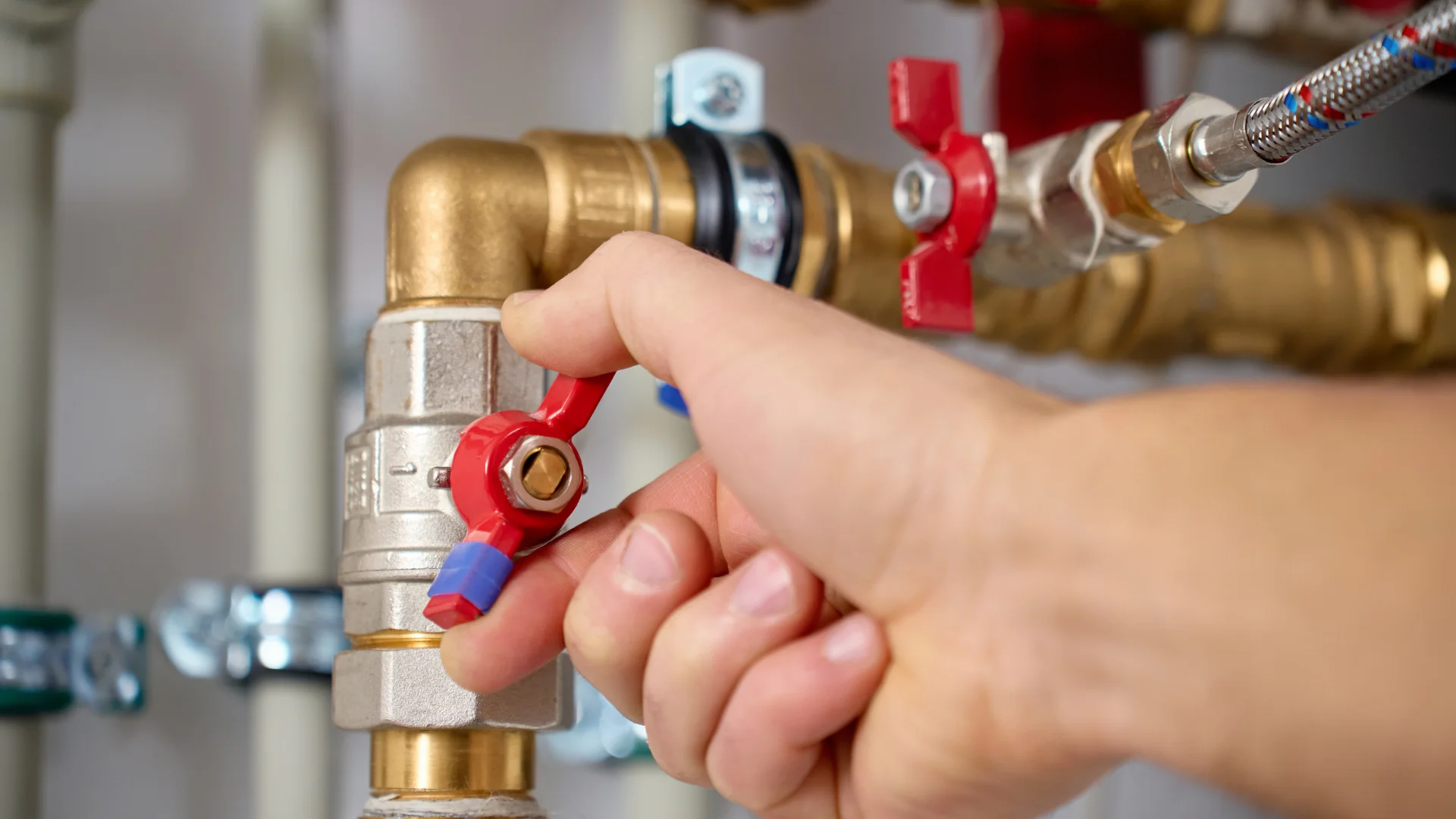
- Inspect water heaters and shutoff valves
- Ensure fixtures and drains are operating correctly
Think of a plumbing inspection the same way you think of an annual HVAC tune-up or vehicle service. It is preventive maintenance designed to avoid breakdowns.
Homes That Need More Frequent Inspections
Some homes benefit from plumbing inspections more than once per year. These include:
Older Homes
Homes built more than 30 years ago often have aging plumbing materials such as galvanized steel or cast iron. These materials corrode internally and are more prone to leaks and blockages.
Older homes should consider inspections every six to nine months, especially if repiping has not been done.
Homes with a History of Plumbing Issues
If your home has experienced repeated leaks, sewer backups, or water pressure problems, more frequent inspections help prevent repeat failures.
Homes with Hard Water
Hard water accelerates mineral buildup in pipes, fixtures, and water heaters. This buildup reduces efficiency and shortens the lifespan of plumbing components.
Homes with hard water benefit from more frequent inspections and routine flushing services.
Rental Properties
Rental homes experience higher usage and are more likely to have unnoticed plumbing issues. Annual or semiannual inspections help property owners avoid major repairs and tenant complaints.
What Is Included in a Plumbing Inspection?
A professional plumbing inspection covers far more than checking for visible leaks. At Fayetteville Plumbing Services, a typical inspection includes:
- Checking exposed pipes for corrosion or damage
- Inspecting shutoff valves for proper operation
- Testing water pressure levels
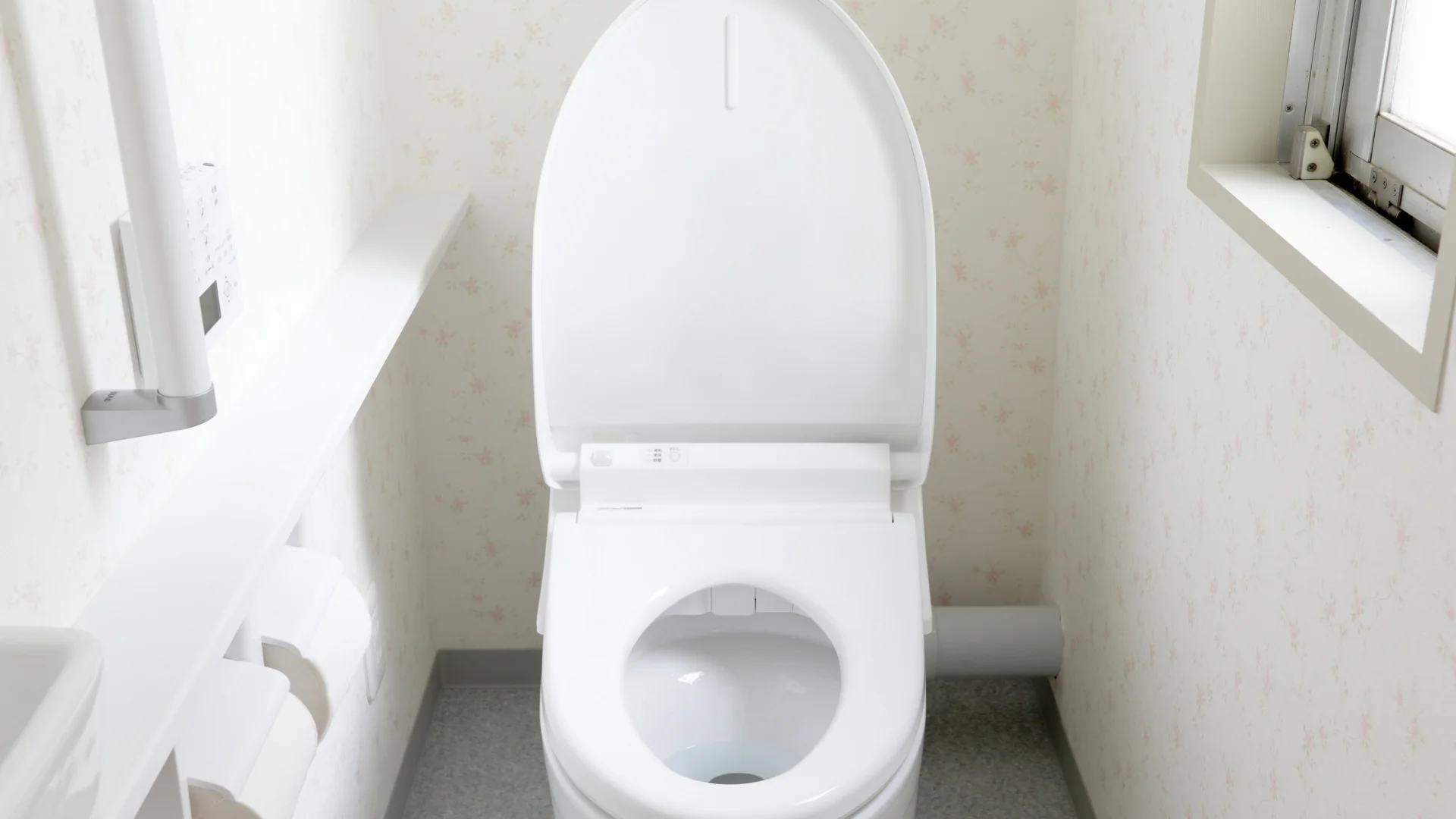
- Inspecting toilets for leaks or internal failures
- Examining faucets and fixtures for drips or wear
- Checking drains for slow flow or buildup
- Inspecting water heaters for leaks, sediment, and safety issues
- Evaluating outdoor spigots and irrigation connections
If needed, camera inspections or leak detection tools may be used to inspect hidden areas.
Why Annual Plumbing Inspections Matter
Regular inspections help prevent several common plumbing disasters, including:
Hidden Leaks
Small leaks behind walls or under floors can cause mold growth, structural damage, and high water bills. Inspections catch these early.
Burst Pipes
Pressure issues and corrosion weaken pipes over time. Identifying these problems early helps prevent sudden pipe failures.
Water Heater Failures
Water heaters often show warning signs before failing. Inspections help identify sediment buildup, failing valves, and aging tanks.
Sewer Line Problems
Slow drains, odors, and backups often start as minor issues. Inspections help identify early signs of sewer line trouble.
Signs You Should Schedule an Inspection Immediately
Even if it has not been a year since your last inspection, certain warning signs mean you should call a plumber right away:
- Sudden increase in water bills
- Low or inconsistent water pressure
- Frequent drain clogs
- Gurgling sounds from drains or toilets
- Water stains on walls or ceilings
- Rust-colored water
- Sewer odors inside or outside the home
These symptoms indicate active plumbing issues that should not be ignored.
New Homes Are Not Exempt
Many homeowners assume that new construction does not need plumbing inspections. While newer homes generally have fewer issues, inspections are still important.
Common problems in newer homes include:
- Improper pipe installation
- Loose fittings
- Poor drainage slopes
- Manufacturing defects in fixtures or valves
An inspection within the first year can catch installation issues before warranties expire.
Plumbing Inspections Before Buying or Selling a Home
A plumbing inspection is especially important during real estate transactions.
For buyers, inspections can reveal hidden issues that affect the home’s value or require immediate repairs.
For sellers, addressing plumbing problems beforehand prevents delays, renegotiations, or failed inspections.
A professional inspection provides peace of mind and transparency for both parties.
How Regular Inspections Save Money
Many homeowners skip inspections because they believe they are unnecessary or expensive. In reality, inspections often save money by preventing:
- Emergency plumbing repairs
- Water damage restoration costs
- Mold remediation
- Premature pipe or water heater replacement
The cost of an inspection is minimal compared to the cost of repairing a burst pipe or sewer backup.
How Fayetteville Plumbing Services Helps Homeowners
At Fayetteville Plumbing Services, we provide thorough, honest plumbing inspections tailored to your home’s needs. Our licensed plumbers focus on prevention, safety, and long-term reliability.
Our inspection services help homeowners:
- Identify problems early
- Plan repairs proactively
- Extend the lifespan of plumbing systems
- Reduce water waste and utility costs
We explain our findings clearly and never recommend unnecessary repairs.
Conclusion
For most homes, plumbing should be inspected once per year. Older homes, rental properties, and homes with previous plumbing issues may require more frequent inspections.
Routine plumbing inspections protect your home, save money, and prevent unexpected emergencies. If it has been more than a year since your last inspection or if you are noticing warning signs, contact Fayetteville Plumbing Services today to schedule a professional plumbing inspection you can trust.