Introduction
Your water heater works quietly behind the scenes every day, delivering hot water for showers, dishes, and laundry. But like any hard-working appliance, it needs maintenance to stay reliable. Over time, minerals from the water—especially in hard-water areas—settle at the bottom of the tank, forming sediment.
At Fayetteville Plumbing Services, we often see water heaters fail prematurely because they were never flushed. The simple act of draining your tank each year can dramatically extend its life and improve efficiency. Let’s explore why flushing makes such a difference and how it protects your investment.
How Sediment Buildup Shortens Water Heater Life
Every time water is heated, minerals like calcium and magnesium separate and settle at the bottom of the tank. This sediment buildup may seem harmless at first, but over time it causes serious damage:
- Insulation effect: The layer of sediment insulates the water from the burner, forcing the heater to work harder.
- Overheating: As the bottom of the tank overheats, it weakens the metal and accelerates corrosion.
- Pressure stress: Overheating increases internal pressure, which can damage fittings and cause leaks.
- Reduced capacity: Sediment takes up space inside the tank, leaving less room for hot water.
Left unchecked, these problems eventually lead to tank failure—one of the costliest plumbing repairs a homeowner can face.
How Flushing Protects and Extends Lifespan
Flushing removes sediment buildup before it hardens, restoring proper heat transfer and reducing internal stress. Here’s how it helps extend your water heater’s service life:
a. Reduces Corrosion
Sediment traps moisture at the bottom of the tank, encouraging rust and corrosion. Flushing removes this trapped moisture and allows the anode rod—a corrosion-fighting component—to do its job effectively.
b. Improves Efficiency
A clean tank heats water more quickly and uses less energy. When sediment is gone, the burner doesn’t have to overwork, reducing wear on heating components and saving money on utility bills.
c. Prevents Overheating and Damage
By maintaining proper heat distribution, flushing helps prevent overheating and cracking inside the tank. That protection keeps the internal lining and steel walls intact longer.
d. Extends Overall Lifespan
Routine flushing can easily add 2 to 5 extra years to your water heater’s life, depending on water quality and maintenance frequency.
How Often Should You Flush Your Water Heater?
For most homes, flushing once a year is ideal. If you live in an area with hard water, like many parts of Northwest Arkansas, you should flush your tank every 6 months.
If you’ve never flushed your water heater before, don’t worry—it’s not too late to start. A professional plumber can assess your system and safely remove years of built-up sediment without damaging the tank.
Signs Your Water Heater Needs Flushing
Your water heater will often let you know when it’s overdue for maintenance. Common warning signs include:
- Rumbling or popping noises when heating
- Rust-colored water when using hot taps
- Longer heating times or lukewarm water
- Reduced hot water supply
- Higher energy bills without increased usage
If you notice any of these symptoms, it’s time to schedule a professional flush.
What Happens During a Professional Water Heater Flush
At Fayetteville Plumbing Services, our water heater maintenance process goes beyond simply draining the tank. Our licensed plumbers perform a complete inspection and cleaning that includes:
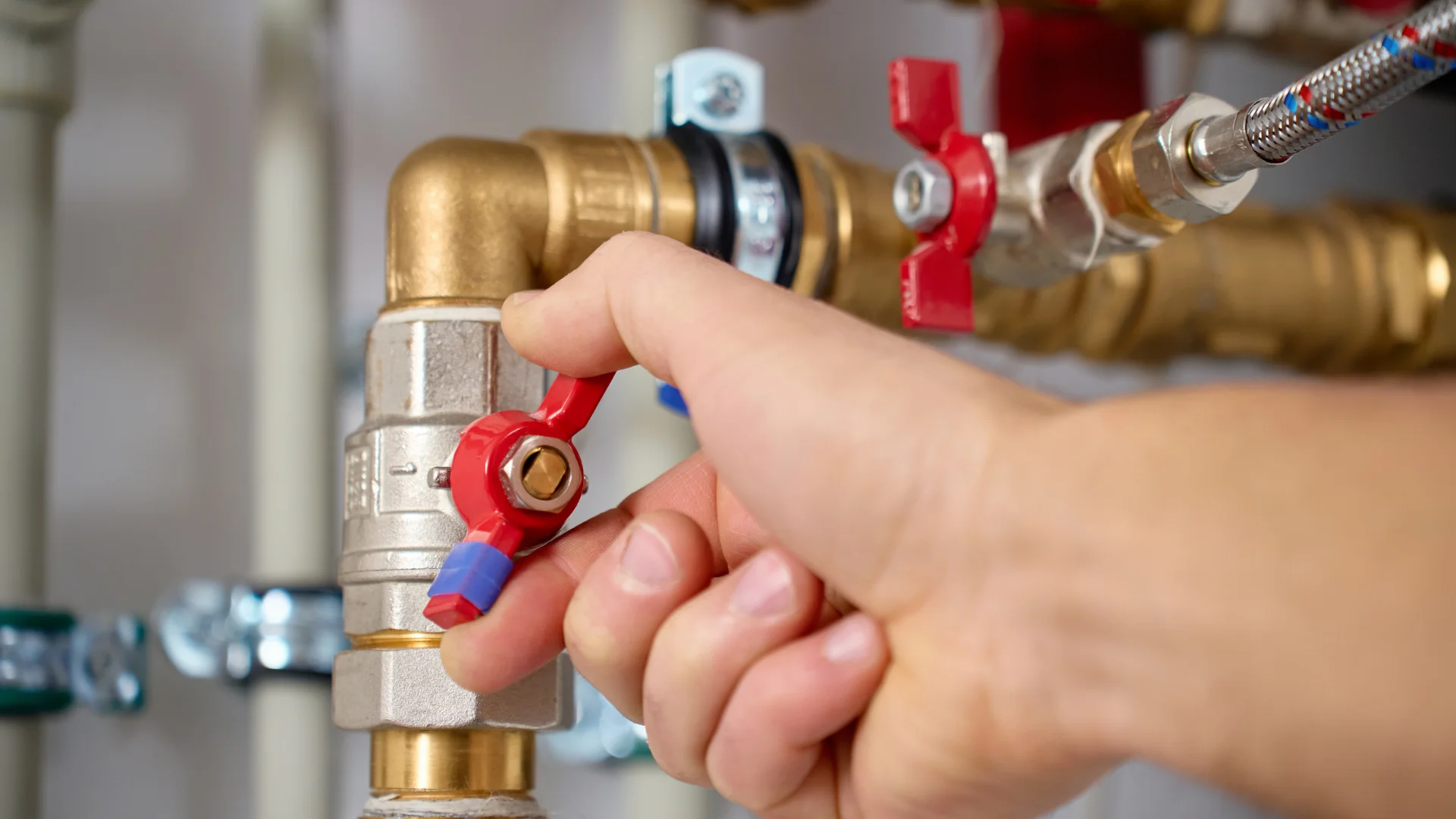
- Shutting off gas or electricity for safety.
- Draining the tank completely to remove sediment.
- Flushing with clean water to eliminate remaining debris.
- Inspecting the anode rod and pressure relief valve.
- Checking for leaks, corrosion, or wear.
- Refilling and testing for proper operation.
This detailed process ensures your system is safe, efficient, and ready for years of reliable service.
DIY vs. Professional Flushing
While homeowners can perform basic flushing using a garden hose, professional service ensures a deeper clean and early detection of potential issues.
DIY flushing is great for routine upkeep, but it may not remove hardened sediment or catch small leaks. A professional plumber uses specialized tools to clean thoroughly and check the heater’s components for signs of corrosion or pressure problems.
Professional maintenance also helps preserve your manufacturer’s warranty, which often requires documented service.
The Long-Term Benefits of Routine Flushing
Regular flushing does more than extend lifespan—it improves your entire home’s plumbing performance. You’ll enjoy:
- Lower energy bills from better heat transfer
- Quieter operation without sediment popping noises
- Consistent hot water temperature
- Reduced repair costs from early problem detection
- Cleaner water quality free of rust and debris
In short, flushing is one of the easiest and most cost-effective ways to protect your investment.
Fayetteville Plumbing Services: Your Water Heater Experts
Our team at Fayetteville Plumbing Services provides professional water heater flushing and full maintenance inspections for both gas and electric units. We help homeowners in Fayetteville and surrounding areas maintain reliable hot water and avoid unexpected breakdowns.
We also offer annual maintenance programs that include flushing, safety testing, and performance checks—keeping your system efficient and extending its service life.
Conclusion
Yes — flushing your water heater will absolutely extend its lifespan. It prevents corrosion, improves efficiency, and reduces the strain that leads to early failure. Most homeowners can expect their water heater to last 2–5 years longer with regular maintenance.
If it’s been over a year since your last flush, contact Fayetteville Plumbing Services today. Our expert plumbers will clean, inspect, and optimize your system to keep your hot water flowing efficiently for years to come.